In a Brampton courtroom on October 13, the man described as the key organizer of the 2023 Toronto Pearson gold heist told the jury, “The planning of the gold heist was all me.” Arsalan Chaudhary, who is serving a four-year sentence after pleading guilty, was testifying at the trial of former Air Canada employee Parmpal Sidhu, according to CBC News. Sidhu has pleaded not guilty.
The Crown alleges that Sidhu provided a doctored waybill that allowed another man to collect the shipment from a Pearson cargo bay. That shipment included 6,600 gold bars weighing more than 400 kilograms, part of more than $22 million in gold and currency.
Brink’s, which was responsible for the shipment, later sued Air Canada. In its filings, Brink’s alleged that the airline failed to provide effective vaults and cages, constant CCTV surveillance and active human patrols. A Federal Court judge found Air Canada liable for only a little more than $18,000, because the value had not been declared, and the companies later settled privately, as CBC reported. Those allegations were never tested at trial, but they show what a major shipper expected from a “secure” cargo service.
Why Is the Release Point the Weakest Link?
High-value freight is usually well protected while it is moving: sealed, tracked and often escorted. The vulnerable moment is the handover, when goods leave one party’s custody and enter another’s.
At that point, the decision to release often rests on a document and a person at a counter. If the paperwork looks right and the driver says the right things, the freight goes out the door. In the Pearson case, the Crown says a single altered document was enough.
This risk is not unique to airports. Distribution centres, bonded and sufferance warehouses, rail transload terminals and 3PL facilities across the GTA release high-value loads every day: electronics, pharmaceuticals, metals, auto parts and spirits.
What Does Video-Verified Cargo Release Look Like?
Video-verified cargo release means the handover is not complete until it has been confirmed on camera and matched to the paperwork. It adds a visual check that is hard to fake.
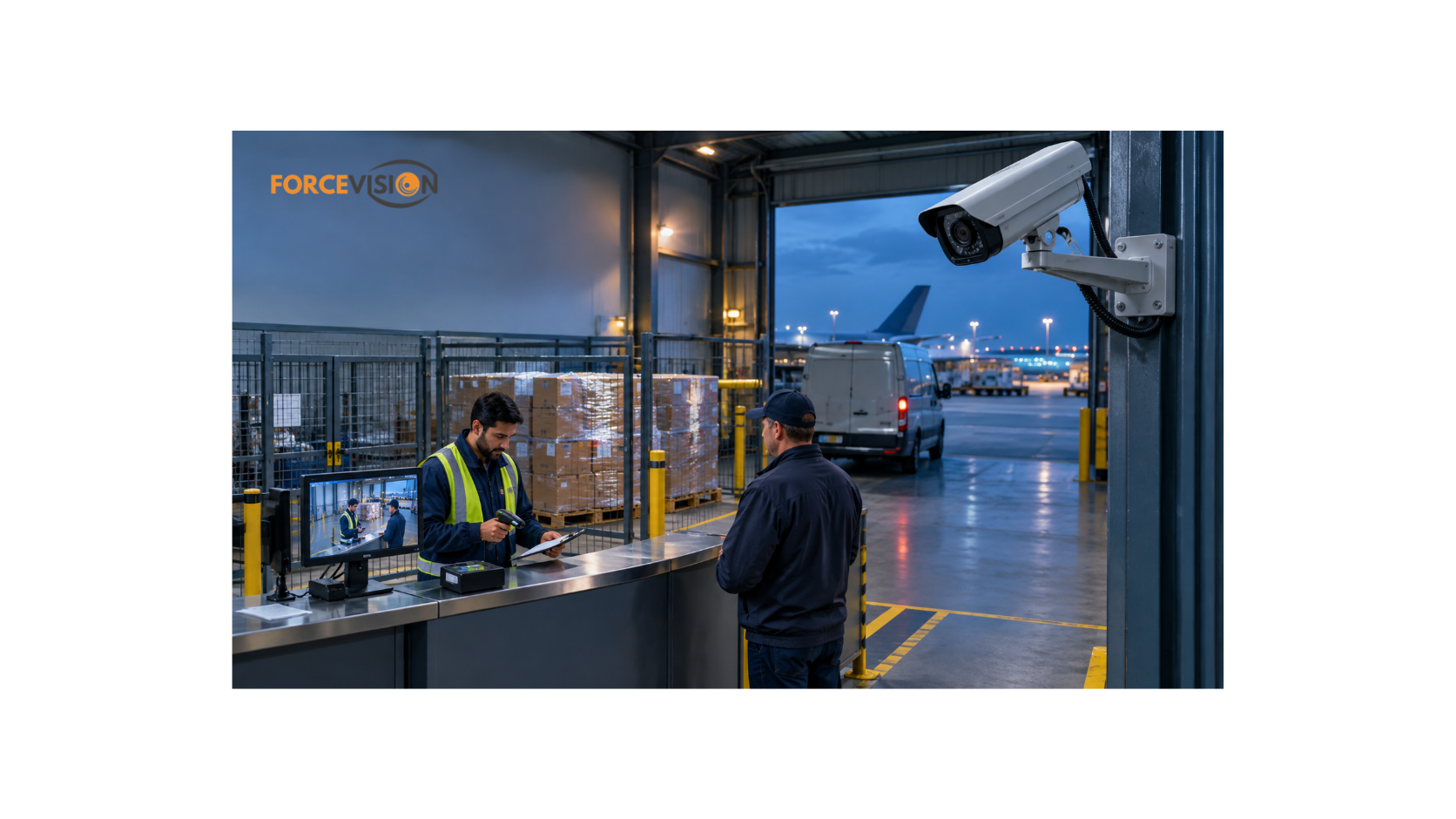
Cameras at the release counter. A high-resolution camera captures the face of each person collecting freight, and the ID they present, at a consistent angle and lighting. That image is linked to the release record.
Plates and trailers at the gate. Licence plate recognition cameras capture the tractor and trailer plates, and cameras with optical character recognition can read trailer and container numbers. The system can flag a vehicle that does not match the carrier on the booking.
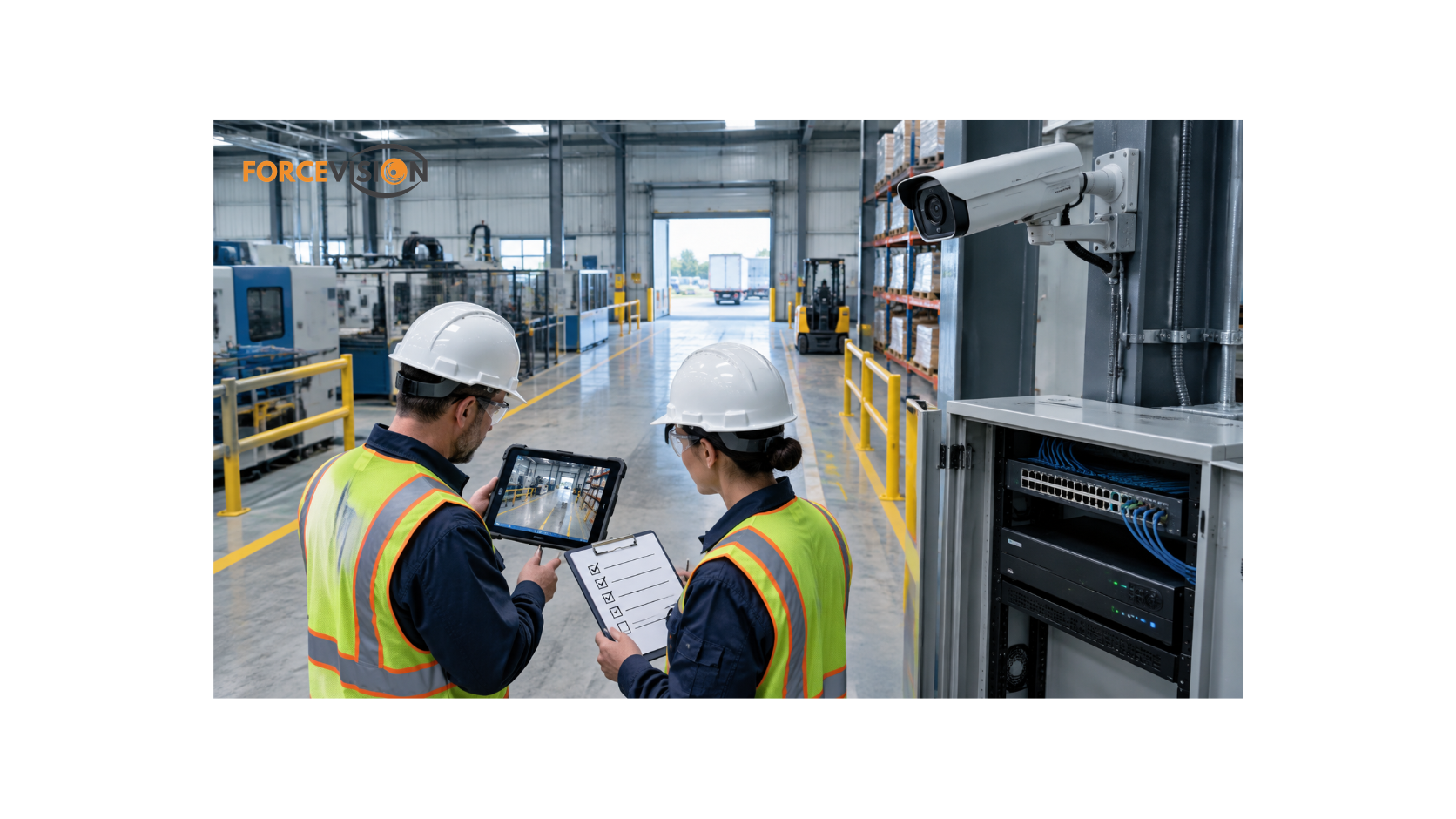
Coverage of the vault or cage. Fixed cameras inside high-value storage areas record who opened the cage, when and what was removed. Access control events should be tied to the footage, so every badge swipe has a matching clip.
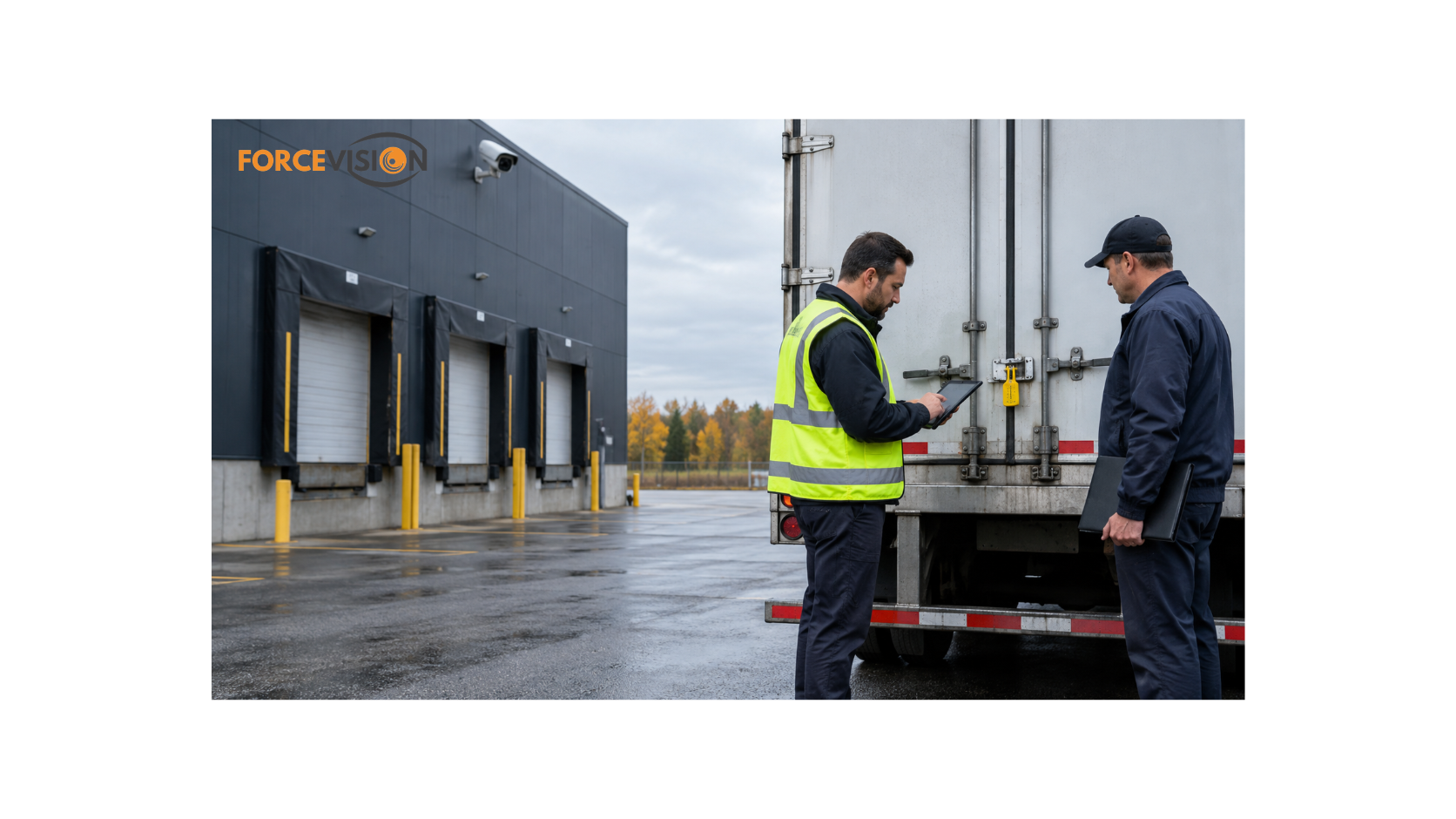
The loading point. A camera on each dock door used for high-value freight shows the goods being loaded, the trailer seal and the driver.
Linked records. The most valuable feature is integration. When the release record, gate log, access event and video clips share a timestamp and a reference number, an investigator can reconstruct a handover in minutes instead of days.
How Does Video Help With Insider Risk?
The Pearson case involves an alleged insider. That is uncomfortable, but it is also common in serious cargo losses.
Video does not presume guilt. It makes it harder for any one person to act alone. Two-person rules for high-value releases, with both employees visible on camera, add a strong control. Analytics can flag unusual activity, such as a cage opened outside shift hours or a release processed by someone who does not normally handle that account.
For honest employees, and that is nearly everyone, clear footage is also a protection. It shows they followed procedure if a loss is ever questioned. Sites should explain this openly and include it in their written electronic monitoring policy.
What Does It Mean for Insurance and Claims?
The Brink’s lawsuit shows how quickly security practices become central to a dispute after a loss. Shippers, insurers and carriers will ask what surveillance, storage and patrol measures were in place, and whether they were followed.
Facilities that can show video-verified cargo release, with retained footage and linked records, are in a much stronger position. That can matter in contract negotiations with high-value shippers, in insurance renewals and when a claim is made.
What Should a High-Value Release Process Include?
A practical starting point for terminals, DCs and bonded warehouses:
-
Identify which shipments qualify as high-value.
-
Require pre-advised driver and vehicle details from the carrier.
-
Capture face, ID, plate and trailer on camera at release.
-
Match those details to the booking before goods leave the cage.
-
Use a two-person release with both employees on camera.
-
Retain linked footage for at least as long as the claims window.
ForceVision designs camera systems for cargo terminals, distribution centres and logistics hubs across Mississauga, Brampton and the Greater Toronto Area, including integration with access control and gate systems. If you handle high-value freight and want to review your release process, we would be glad to walk through it with you.
The Takeaway
Pick the last high-value shipment your site released. Could you produce, within an hour, footage of who collected it, what vehicle it left in and who opened the cage? If not, video-verified cargo release should be on your next operations meeting agenda.
FAQ
Q: What is video-verified cargo release?
A: A process where each high-value handover is confirmed on camera, capturing the driver, ID, vehicle and goods, and linked to the release record before freight leaves the site.
Q: Does this apply only to airports?
A: No. Distribution centres, bonded warehouses, rail transload terminals and 3PLs all release high-value freight and face the same handover risks.
Q: How do cameras help with insider risk?
A: They make it harder for one person to act alone, support two-person rules and flag unusual activity, while also protecting employees who follow procedure.
Q: How long should release footage be kept?
A: At least as long as your contractual and insurance claims windows, which for high-value freight is often longer than standard site retention.