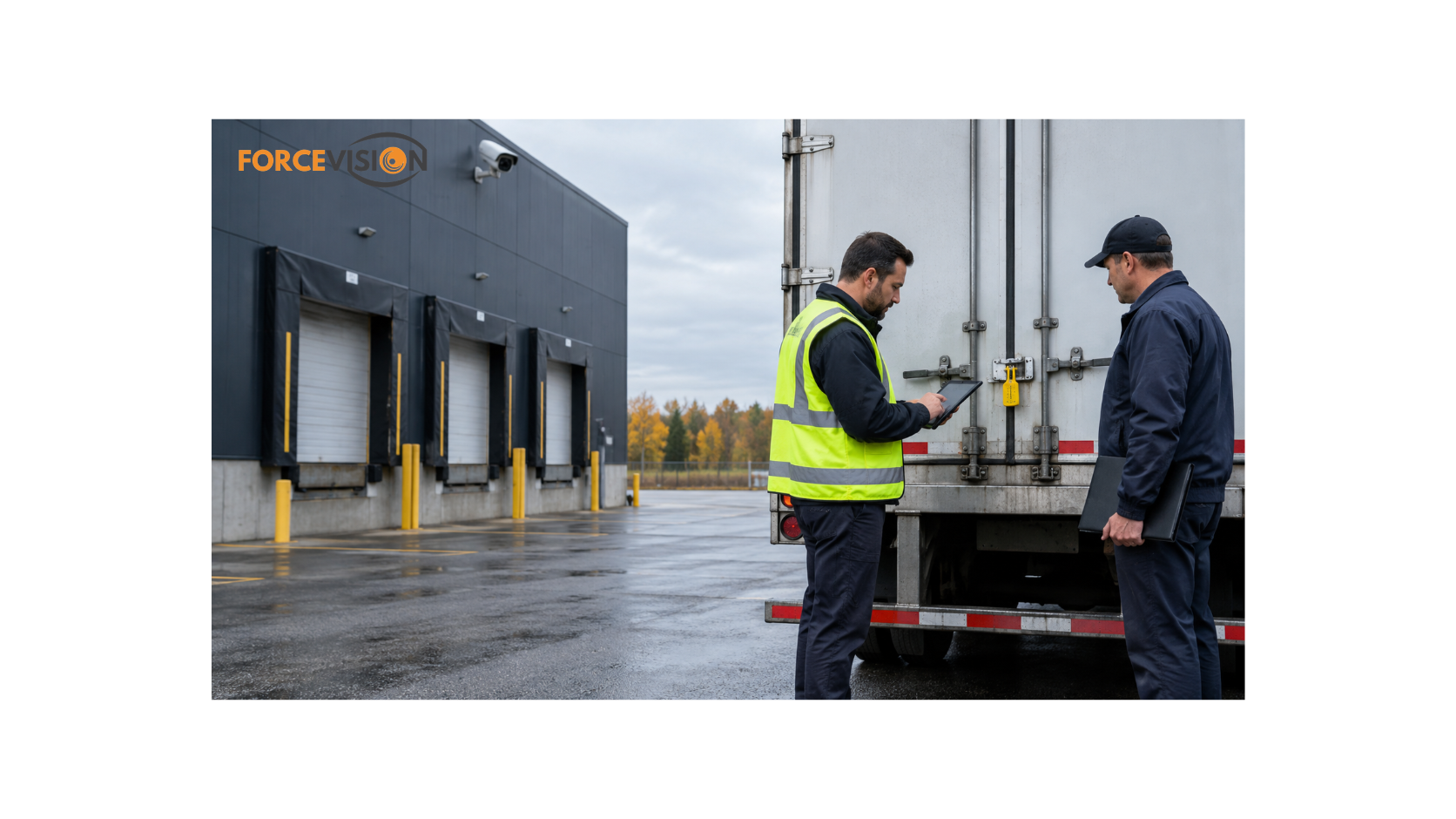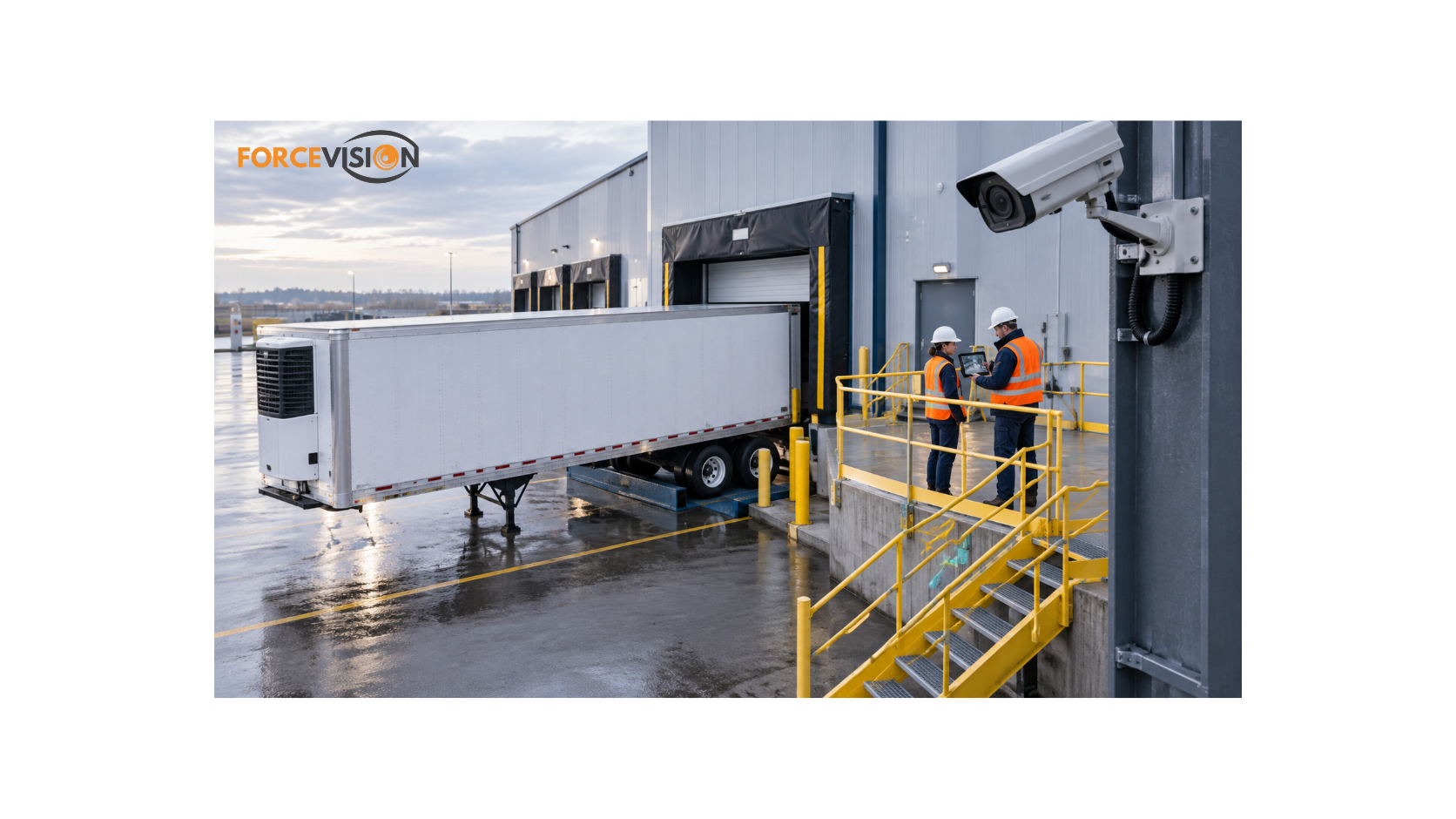
The gantry at Gay Lea Foods’ Guelph dairy plant was built to keep milk receivers safe. It had steps and guardrails, and it gave workers access to the sampling hatches on top of milk trucks. But to reach a truck’s second hatch, some workers skipped moving the gantry. They stepped onto the top of the truck and walked across.
On March 23, 2025, a milk receiver did exactly that. The truck’s surface was wet. The worker slipped, fell to the floor below and was injured, according to Canadian Occupational Safety.
A Ministry of Labour investigation found that the company had not provided adequate information, instruction and supervision on how to set up and use the gantry. Gay Lea Foods pleaded guilty and was fined $80,000 on September 18, 2026, plus a 25 per cent victim fine surcharge.
Why Do Good Safety Systems Get Bypassed?
The gantry was not the problem. It worked, as long as it was used as designed. The problem was a small, time-saving habit that had become routine.
That pattern shows up in almost every large plant, warehouse and terminal. Workers face time pressure, a truck is waiting and the safe method takes an extra minute. Over weeks, a shortcut becomes “how we do it here.” Supervisors may never see it, because it happens fast and often on night or weekend shifts.
The Canadian Occupational Safety article put the lesson bluntly: a procedure that workers routinely bypass is, in the ministry’s view, one the employer has failed to implement.
Where Do Truck Bays Create Similar Risks?
Elevated access to the tops of trucks and tankers is common across Ontario industry:
-
Dairy, food and beverage plants sampling bulk tankers.
-
Chemical and fuel terminals with top-loading racks.
-
Grain elevators and feed mills.
-
Aggregate, cement and bulk powder facilities tarping or loading trailers.
-
Distribution centres where drivers climb onto flatbeds to secure or tarp loads.
In every case, the safe system depends on people using platforms, gantries, harnesses and guardrails exactly as intended.
How Do Truck Bay Safety Cameras Reveal Shortcuts?
Truck bay safety cameras give supervisors visibility into the moments they cannot be present for.
Overhead and side views of the bay. A camera mounted high on the wall or ceiling shows the gantry, the top of the truck and the worker’s position. A second angle from the side shows whether the gantry is positioned correctly for each hatch.
Analytics for people outside safe zones. Video analytics can define a “no-walk” zone on the top of a trailer or tanker and send an alert when a person is detected there. That turns a hidden habit into a visible pattern.
Event review, not constant watching. Nobody needs to watch every bay all day. Searchable footage lets a supervisor review alerts or sample a few loads per shift.
Coverage across all shifts. Cameras see nights and weekends the same way they see day shift, which is often where shortcuts take root.
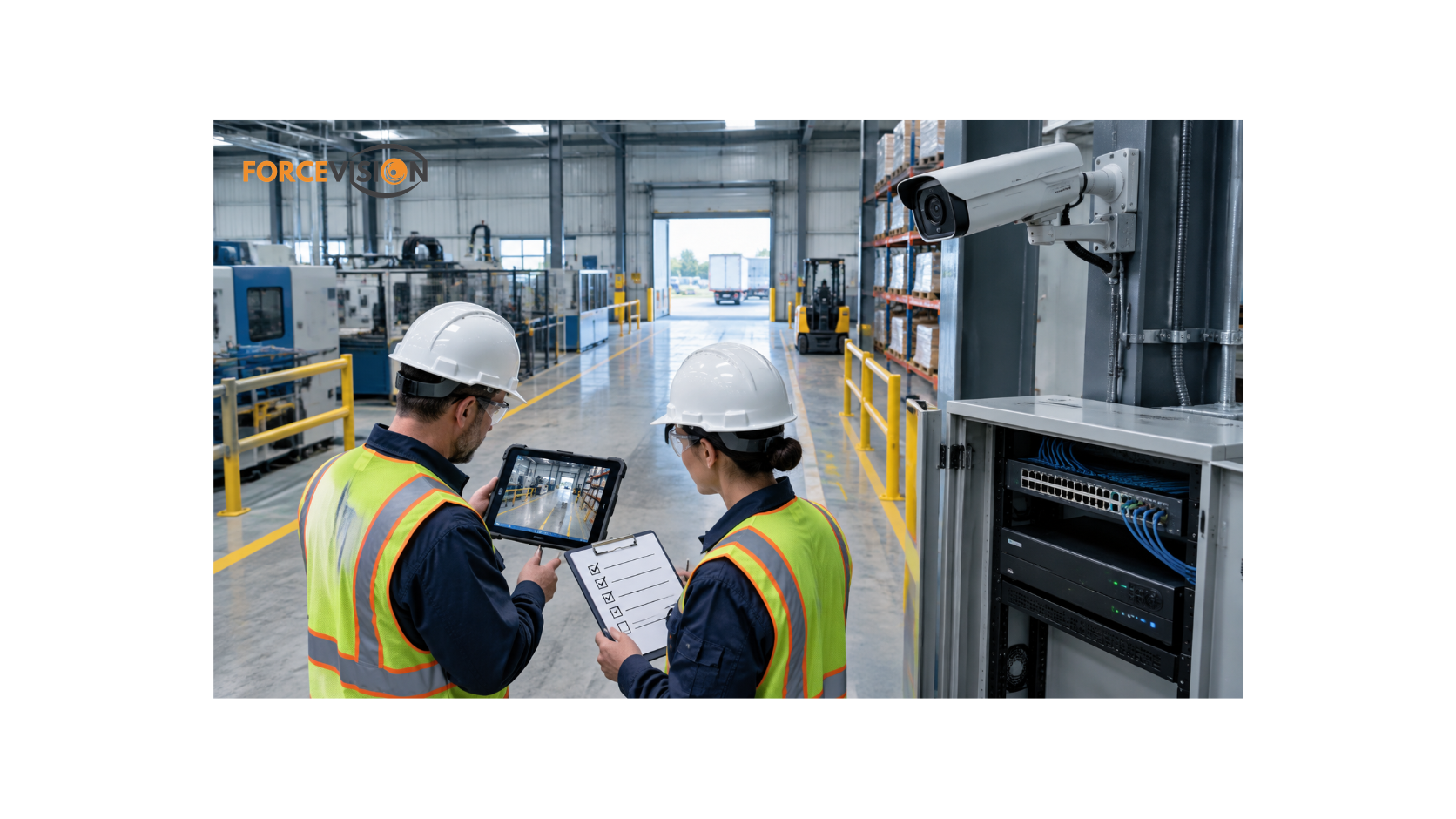
For a large plant, these cameras are part of a broader 64-camera or larger system covering receiving, production and shipping. Fixed cameras in the bays, PTZ cameras in the yard and an NVR with enough storage for review make it workable.
How Should Plants Use What the Cameras Show?
The goal is not to catch people. It is to fix the system before someone falls.
When footage shows a recurring shortcut, ask why. Is the gantry slow to reposition? Are trucks parked in a way that puts the second hatch out of reach? Is the team understaffed at peak times? Often the fix is engineering, such as a longer gantry or better truck positioning, rather than discipline.
Use short, anonymized clips in toolbox talks. Seeing a real near-miss at their own bay is far more persuasive to workers than a generic slide. Involve the joint health and safety committee so cameras are seen as a safety tool, and include their use in your written electronic monitoring policy.
Does This Help With Retention?
Experienced receivers, loaders and drivers are hard to replace. A serious fall can take a skilled worker out for months and shake the confidence of the whole crew.
Workers who see management fixing the reasons for shortcuts, rather than blaming them, are more likely to stay. Cameras used this way support a culture where safety and productivity are not at odds.
ForceVision designs camera systems for food plants, terminals and distribution centres across Guelph, Kitchener-Waterloo and the Golden Horseshoe. If you would like a second opinion on coverage of your loading bays, we are happy to walk through the options.
The Takeaway
This week, watch your busiest bay for a full shift, in person or on video. Note every time someone steps outside the protection of a platform or guardrail. If it happens more than once, it is time to look at truck bay safety cameras and at why the shortcut makes sense to the people taking it.
FAQ
Q: Can cameras detect a worker on top of a truck?
A: Yes. Video analytics can define zones on trailer or tanker tops and alert supervisors when a person is detected there.
Q: Won’t workers feel spied on?
A: Trust improves when cameras are used to fix causes, not punish, and when the joint health and safety committee is involved and the monitoring policy is clear.
Q: What fine did Gay Lea Foods receive?
A: $80,000, plus a 25 per cent victim fine surcharge, after pleading guilty under the general duty to inform, instruct and supervise.
Q: Which sites face similar risks?
A: Dairy and food plants, fuel and chemical racks, grain elevators, bulk material sites and DCs where workers climb onto trucks or trailers.