At 2 a.m. on Sunday, November 1, most of Ontario turns its clocks back an hour. That evening, the sun sets in Toronto at about 5:08 p.m., according to blogTO. By December, the afternoon shift at most plants and yards will start and finish in the dark.
For industrial operators, the clock change is a useful reminder. Cameras that performed well on long summer evenings now spend most of the evening shift relying on infrared, thermal and site lighting. Any weak spots in night coverage are about to matter more, for longer, every day.
The first weeks of November are a good time to run a night camera audit for industrial yards before snow, ice and holiday shutdowns arrive.
Why Does the Time Change Affect Security and Safety?
Earlier darkness changes the site in several ways at once:
-
Shift changes in the late afternoon now happen in low light, with more people and vehicles moving at the same time.
-
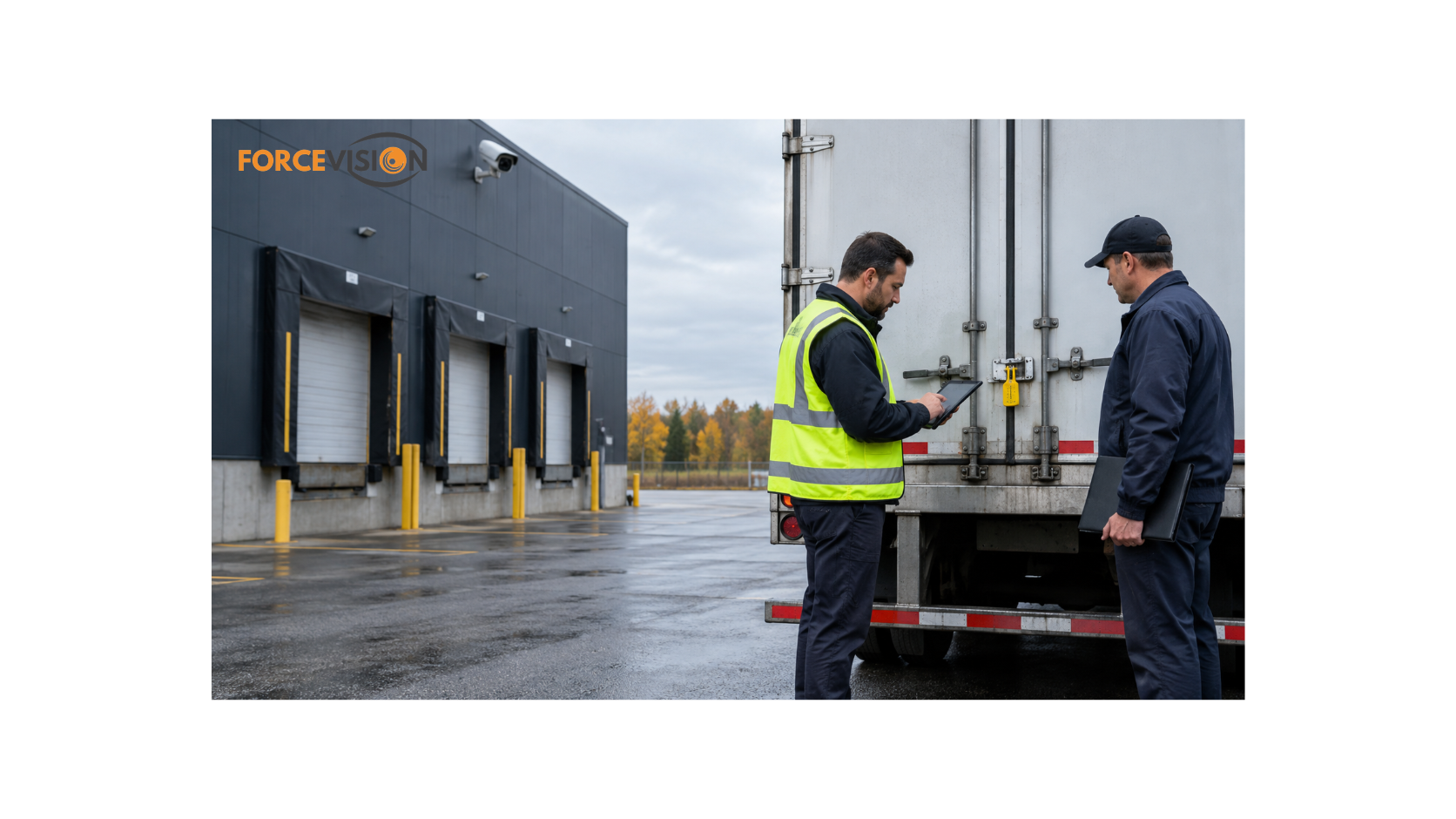
Trucks arriving between 4 and 7 p.m. now pull in after dark.
-
Thieves and trespassers get more darkness before the overnight shift settles in.
-
Weather adds rain, fog, sleet and snow to the picture.
Cameras that were set up and tested in summer may never have been checked in these conditions.
What Should a Night Camera Audit for Industrial Yards Check?
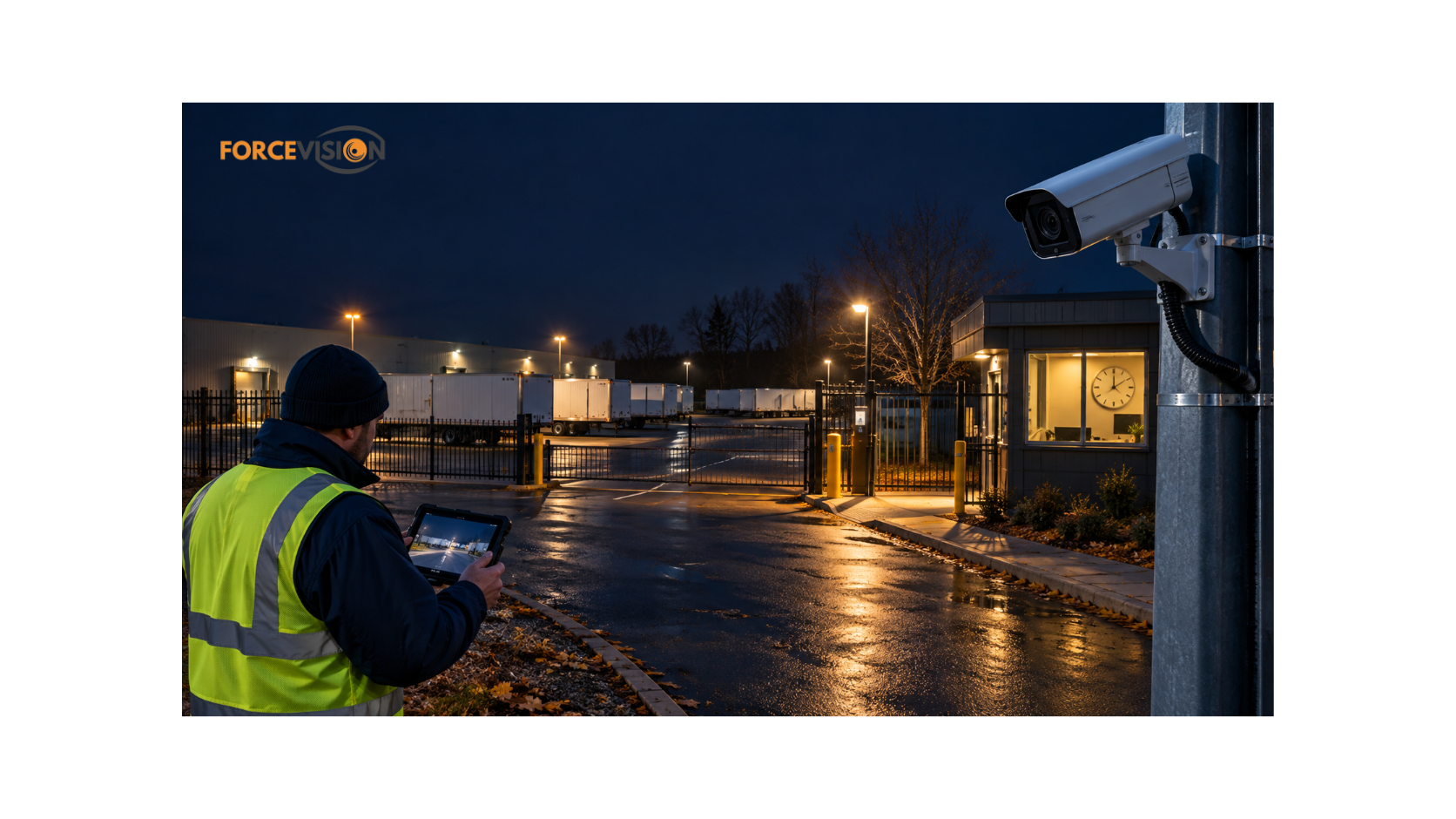
A practical audit takes a few hours across two visits: one at dusk around shift change, and one in full darkness.
1. Real-world IR and thermal range. Data sheets often quote best-case infrared ranges. Walk the yard with a colleague watching the live feed and note where a person becomes unrecognizable. Compare that distance to what each camera is supposed to cover.
2. Lighting. Check every light pole and wall pack. A single failed fixture at a gate or dock can turn a good camera into a useless one. Note where lights cause glare or flare directly into a lens.
3. Headlight glare at gates. Entry cameras often wash out when trucks arrive with headlights on. Wide dynamic range settings, angle changes or dedicated licence plate cameras with proper IR filtering usually fix this.
4. Snow and rain reflection. IR light bouncing off falling snow or rain can blind a camera, and close-in IR reflecting off nearby walls or fences can cause hot spots. Separate illuminators or thermal cameras can help on problem views.
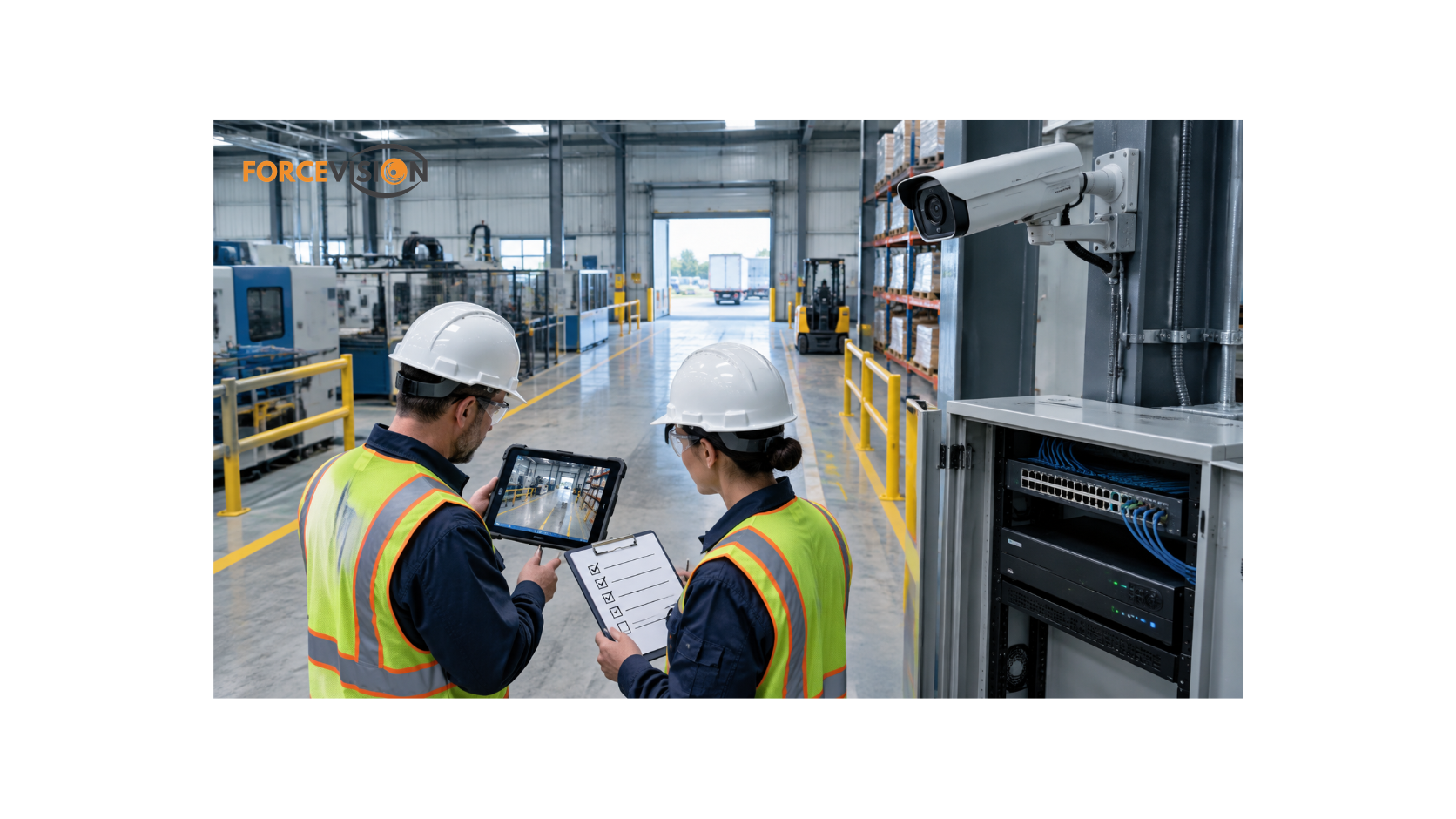
5. Lens and housing condition. Clean lenses, check seals, clear spider webs and confirm heaters and wipers work before temperatures drop.
6. Shift-change coverage. Watch the parking lot, walkways and gates during the late-afternoon shift change. Are pedestrian routes covered? Can you see the conflict points where people cross truck lanes?
Why Does Time Synchronization Matter After the Clock Change?
This one is easy to miss. Every camera and recorder should get its time from the same network time server, with the correct Ontario time zone and daylight saving rules applied.
If some devices are set manually, the November change can leave cameras an hour off from the recorder, from access control or from each other. That might seem minor until an incident happens. Investigators, insurers and courts expect footage timestamps to line up with other records. A camera that is an hour off can create confusion or weaken the evidence.
Sites with operations in northwestern Ontario should also take note. Communities west of the 90th meridian, including Kenora, will stay on daylight saving time permanently instead of falling back on November 1, according to the Ontario government. Multi-site operators should confirm each site’s time zone settings, so footage from different locations can be compared reliably.
How Can Video Analytics Help in Longer Darkness?
Longer nights are when analytics earn their keep. Intrusion detection on fence lines, loitering alerts at gates and vehicle detection in restricted areas let a small team cover a large site.
The switch in lighting can also throw off analytics that were tuned in summer. Shadows fall differently, headlights sweep across fences earlier in the evening, and snow can trigger false alerts. Include a quick analytics review in your audit: check last week’s alerts, find the noisiest cameras and adjust zones or filters.
What Should You Do With the Audit Results?
Rank findings by risk, not by ease of fixing. A dark gate with a failing light is more urgent than a slightly blurry view of a low-value storage area.
Typical quick wins include:
-
Replacing failed lights and re-aiming fixtures.
-
Cleaning lenses and fixing heaters.
-
Correcting time settings on any device not using network time.
-
Adjusting exposure and WDR at gates.
Bigger fixes, such as adding thermal cameras on perimeters or PTZ cameras on masts, can be planned into the next budget cycle.
ForceVision helps large yards, plants and logistics sites across Burlington, Hamilton, Mississauga and the Golden Horseshoe review and upgrade night-time coverage. If you would like help running your audit, our team can walk your site at dusk and after dark with you.
The Takeaway
Put a date on the calendar for the first week of November. Walk your site at shift change and again after dark, with someone watching the live feeds. A simple night camera audit for industrial yards now can prevent a long winter of missed events.
FAQ
Q: When do Ontario clocks fall back in 2026?
A: On Sunday, November 1, at 2 a.m., except communities west of the 90th meridian in northwestern Ontario, which will stay on daylight saving time.
Q: Why do cameras need network time synchronization?
A: So every camera, recorder and access-control system shows matching timestamps, which investigations, insurers and courts rely on.
Q: How can I reduce IR glare from snow and rain?
A: Use separate IR illuminators set away from the camera, adjust angles, or use thermal cameras for problem views.
Q: What’s the most common problem found in night audits?
A: Failed or misaimed site lighting at gates, docks and walkways, which undermines otherwise good cameras.